
Gaslighting
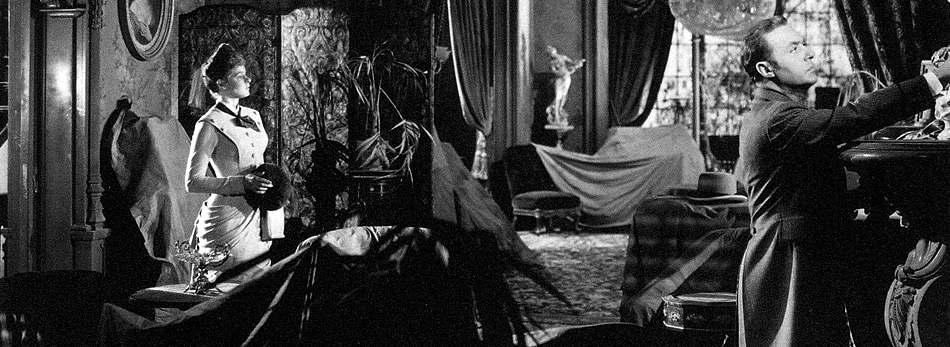
Gaslighting is not simple lying. It is lying embedded in the attempt to undermine the confidence of the listener. Someone tries to convince you that you cannot trust your own judgement and that because of this, you’re better off trusting the gaslighter. The term come from the 1944 film “Gaslight,” in which a husband tries to convince his wife that the gaslights are not dimming; this is her imagination running amok.
Gaslighting is widely discussed in the internet as a toxic relationship style, but few sources point out that we all grow up with it. Parents often find themselves in the position of telling their children that they cannot trust their own judgement and that they must trust the parents’ judgement. It is often true.
It is therefore easy to imagine that one could carry over the habit into adulthood, especially in paternalistic societies where there are plenty of opportunities for it. There is just the matter of deciding who is in the role of parent and who is in the role of child.
In such a society, people try to help the mentally fragile. It makes no sense for them to fight the people who are trying to ‘help’ them. Even if a fragile person is being tricked, he/she cannot get into trouble for believing what has been stated. Now the strife has ended. There is unity and harmony.
For a society, social cohesion is more important than doing things in the way that makes most sense. An army, led by a liar, is more effective than a democratically-organized rabble. Paradoxically, a culture of gaslighting is therefore ‘fitter’ than one which is not. It gets more stuff done. Whether you want that stuff, is again, a subject of gaslighting.
I’ve come to realise that gaslighting is a problem only if the victim refuses to accept it.
It is another irony of gaslighting that a recalcitrant victim is always the bad-faith actor. There might be two bad-faith actors, but there is at least this one. Why? The accusation of gaslighting is so serious, observers cringe. It threatens social cohesion. Observers amplify any doubt or possible reinterpretation as possible exit strategies. Since nice people give the benefit of doubt, observers can be certain that at least the recalcitrant victim is not nice.
It is this cult of doubt, more than the actual act of gaslighting, that makes gaslighting a nightmare. One can stare down a liar, but not surrounded by the moans of a doubting chorus.
It has never mattered that I have been able to convince observers of gaslighting episodes, based on public facts. The next day, observers embrace doubt for the sake of social cohesion. “Are you sure it wasn’t a misunderstanding?”
I get it that social cohesion is better than social dissolution, and by this metric, I’m indeed a bad person. Unfortunately, the cohesion of a gaslighting culture is no priority to me. I will do nothing to preserve it. I refuse to be both a victim and the bad faith party. It’s infuriating.
Choosing strife for the sake of mental peace seems paradoxical — however, I can understand why the Ukrainians in February of 2022, after years of cringing before a menacing and lying Russia, suddenly embraced war. They could have welcomed their old masters and thereby avoided wide-spread destruction and loss of life. The answer? It is a great relief.