
The Emily in Each of Us
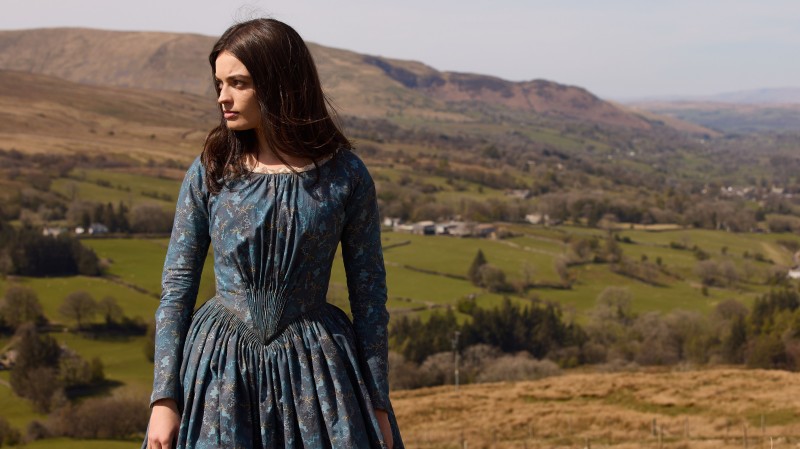
The 2022 film “Emily” is detailed speculation about the inspiration of “Wuthering Heights.” It suggests that Emily Brontë might have had an undocumented and tragic romance. If writer/director Frances O’Connor had consulted her inner Emily, she would have never come upon the idea.
One needn’t look any further than what is already known about Emily Brontë’s life to understand the inspiration for “Wuthering Heights.” It was not a romance Emily had, or could have had. That was the whole bitter point.
Each of us likes to think there is within us the capability of great love — of mad, all-consuming passion — if only the opportunity presented itself and if only society could tolerate it. We know it cannot. In any case, passionate love affaires are destructive simply because they prioritise themselves over everything else in life. Other obligations are poorly met, opportunities lost, appointments not kept. Such affaires are drug addictions that bring the addicts to ruin.
Anyone who has been ruined knows this. Anyone capable of ruin resents not being ruined.
Emily was likely both capable of ruin and ruined by knowledge of her capability.
She was known to be reclusive, taciturn, highly imaginative, passionate and strong willed. She was essentially a novel character waiting to happen. At the same time, she understood the impossibility of being the titular character of her own life. Emily Brontë in full bloom could never be understood, never tolerated. This is why the most expansive personality of her age kept to herself and wrote the cautionary tale of Heathcliff and Cathy. Those characters would consummate their love only in death.
There is an Emily in each of us. There is a being deep inside us that thinks and feels honestly. It is smothered by layers of socialisation, adaptation, compromise, embarrassment, and skepticism. But it is our core being. It is incompatible with this world, and thereby reminds us that we are not native to it. It is the part of us that does not need salvation, and yet promises damnation. It is the core of the impossibility of being ourselves. This is the reason, I believe, the dreadful tale of Wuthering Heights has proven to be so popular and enduring.